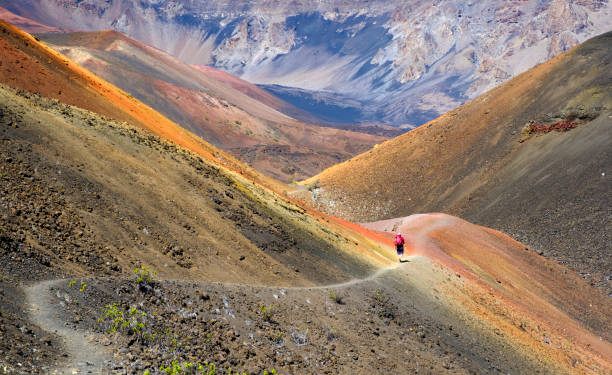
There’s something about stepping outside your comfort zone that feels strangely addictive. Not everyone is built for extreme adventures, but for those who are curious enough to try, these experiences can completely change how you see fear, courage, and even yourself. It’s not just about thrill-seeking—it’s about testing limits you didn’t even know you had.
Why People Chase Extreme Adventures
Some people think extreme adventure is all about showing off or chasing adrenaline highs, but honestly, it goes deeper than that. When you’re standing at the edge of a cliff or jumping out of a plane, there’s no room for distractions. It’s just you and the moment.
That kind of focus is rare in everyday life. Bills, work, social media—everything fades away. You start feeling more present, more alive. It’s almost like your brain resets itself.
Also, there’s this quiet confidence that builds after doing something scary. Once you survive something intense, regular problems don’t feel that overwhelming anymore.
Skydiving: The Ultimate Leap of Faith
Skydiving is probably one of the first things people think of when it comes to extreme adventures. And yeah, it deserves that reputation.
Imagine being thousands of feet above the ground, the wind roaring past your ears, and then suddenly… you jump. That free fall moment is hard to describe. It’s terrifying, but also weirdly peaceful.
Many first-timers say the fear disappears after a few seconds. Your brain just accepts the situation, and you start enjoying the view instead. The world looks completely different from up there—tiny, calm, almost unreal.
Deep-Sea Diving: Exploring the Unknown
If heights aren’t your thing, the ocean offers a completely different kind of challenge. Deep-sea diving pushes you into a world that feels almost alien.
The deeper you go, the quieter everything becomes. Sunlight fades, and strange creatures start appearing—some beautiful, some honestly a bit creepy. It’s fascinating but also slightly unsettling.
You have to trust your equipment and stay calm, because panic underwater can be dangerous. That’s what makes it such a powerful experience. It teaches patience and control in a very real way.
Mountain Climbing: A Test of Endurance
Climbing a mountain isn’t just physically exhausting—it’s mentally draining too. It’s not like a quick thrill; it’s a long, slow battle against your own limits.
The air gets thinner, your muscles ache, and sometimes you question why you even started. But then, when you finally reach the top, something shifts. The struggle suddenly feels worth it.
There’s a kind of silence at high altitudes that’s hard to explain. It’s peaceful, almost spiritual. You realize how small you are compared to nature, and that realization can be oddly comforting.
White-Water Rafting: Chaos and Control
White-water rafting is a mix of teamwork, chaos, and pure adrenaline. One minute you’re paddling calmly, and the next you’re crashing through aggressive rapids, trying not to get thrown out.
The unpredictability is what makes it exciting. You can’t fully control the river, but you can learn to move with it. That balance between control and surrender is what keeps people coming back.
Also, it’s one of those adventures where teamwork really matters. If everyone isn’t in sync, things can go wrong quickly. But when it works, it feels amazing.
Bungee Jumping: Facing Fear Head-On
Bungee jumping is simple in theory—just jump and bounce back. But mentally, it’s one of the hardest things to do.
Standing on that platform, looking down, your mind starts playing tricks on you. Every instinct tells you not to jump. That moment, right before you take the leap, is where the real challenge lies.
And then you jump anyway.
That decision—to act despite fear—is what makes bungee jumping so powerful. It’s less about the fall and more about overcoming that mental barrier.
Desert Survival Adventures
Not all extreme adventures involve speed or height. Some are about endurance and survival. Desert expeditions, for example, test your ability to handle extreme heat, dehydration, and isolation.
Days can feel endless, and nights can get surprisingly cold. There’s very little room for mistakes. You have to plan carefully, conserve resources, and stay mentally strong.
It’s not glamorous, but it’s real. And that raw experience can teach you more about resilience than any comfortable trip ever could.
Ice Climbing: Beauty and Danger Combined
Ice climbing is one of those adventures that looks stunning but is incredibly demanding. You’re climbing frozen waterfalls or icy cliffs using special gear, and every move has to be precise.
The surface can be unpredictable. One wrong step, and things can get risky. But at the same time, the scenery is breathtaking—everything covered in ice, shining under the light.
It’s a strange mix of fear and beauty, and that contrast makes the experience unforgettable.
The Real Reward Behind the Risk
At the end of the day, extreme adventures aren’t just about doing something crazy. They’re about discovering what you’re capable of.
You don’t come back the same person. Maybe you’re a bit more confident, a bit less afraid, or just more aware of your own strength. Even if things don’t go perfectly, the experience still leaves a mark.
And honestly, that’s the point.
Because in a world where everything is planned and predictable, sometimes it’s good to do something that scares you a little. Not to prove anything to others—but to understand yourself better.