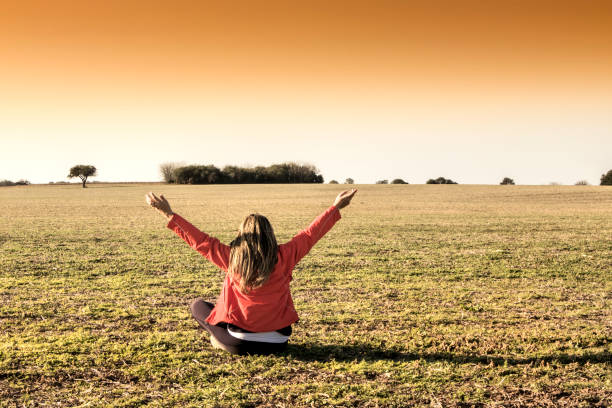
Travel is often seen as something temporary — a break from routine, a pause from real life. But the truth is, exploring the world doesn’t just give you memories; it quietly reshapes how you live your everyday life. The changes aren’t always loud or obvious. Sometimes, they show up in small habits, new ways of thinking, or how you respond to situations you once found stressful.
When you step outside your comfort zone and experience different cultures, people, and environments, you begin to carry those experiences back home with you. Over time, they become part of who you are.
A Shift in Perspective
One of the biggest changes that comes from traveling is a shift in how you see the world. When you visit new places, you realize that there isn’t just one way to live life. What feels “normal” in your daily routine is just one version of reality.
For example, in some countries, people live slower, more relaxed lives, while in others, everything moves fast and efficiently. Seeing these contrasts makes you question your own habits. You may start to wonder why you rush through your mornings or stress over small things.
This broader perspective often leads to more patience and understanding. You become less judgmental and more open-minded because you’ve seen firsthand that different doesn’t mean wrong.
Greater Appreciation for What You Have
Traveling also teaches gratitude in a very natural way. When you see how people live in different conditions — sometimes with less comfort but more happiness — it changes your relationship with what you have.
You might come back home and suddenly appreciate things you used to ignore, like clean water, a comfortable bed, or even familiar food. At the same time, you may start valuing experiences more than material things.
This doesn’t mean you stop wanting better for yourself, but your definition of “better” becomes more meaningful.
Improved Problem-Solving Skills
Exploring new places comes with its fair share of challenges. Missed trains, language barriers, wrong directions, or unexpected situations — these are all part of the journey.
At first, these moments can feel stressful. But over time, you get used to handling them. You learn to stay calm, think quickly, and find solutions with whatever resources you have.
Back in your daily life, this translates into stronger problem-solving skills. Small inconveniences at home or work don’t feel as overwhelming anymore because you’ve already handled tougher situations in unfamiliar places.
Increased Confidence
There’s something powerful about navigating a new city, talking to strangers, or figuring things out on your own. Each small success during travel builds your confidence.
You start trusting yourself more. You realize that you are capable of adapting, learning, and managing situations independently.
This confidence doesn’t disappear when the trip ends. It stays with you. You may find yourself taking more initiative at work, speaking up in conversations, or trying things you once avoided.
A Simpler Approach to Life
Travel often shows you how little you actually need to be happy. When you’re living out of a suitcase, you focus on essentials rather than excess.
This mindset can carry over into your daily routine. You might feel less attached to unnecessary things and more interested in meaningful experiences. Decluttering your space, simplifying your schedule, or focusing on what truly matters becomes easier.
Life starts to feel less complicated when you stop chasing everything and start choosing what really adds value.
Better Social Skills and Connections
Meeting new people is a natural part of traveling. Whether it’s a quick conversation with a stranger or a deeper connection with someone from another culture, these interactions teach you how to communicate better.
You learn to listen more, understand different viewpoints, and express yourself clearly, even when there are language differences.
This improves your social skills in everyday life. You become more approachable, more empathetic, and better at building relationships. Even casual conversations feel more interesting because you’re genuinely curious about others.
A Stronger Sense of Curiosity
Once you start exploring the world, curiosity becomes a habit. You begin to ask more questions — not just about places, but about people, ideas, and experiences.
This curiosity doesn’t stop when you return home. You may start exploring your own city more, trying new foods, learning new skills, or simply paying attention to details you once ignored.
Daily life becomes less routine and more like an ongoing discovery.
Reduced Fear of the Unknown
Before traveling, the unknown can feel intimidating. New places, new people, and unfamiliar situations can create anxiety. But the more you explore, the more you realize that uncertainty is not always something to fear.
In fact, it often leads to the most memorable experiences.
This shift reduces fear in your daily life as well. You become more willing to take risks, try new things, or step into unfamiliar situations. Whether it’s a career decision or a personal choice, you handle uncertainty with more ease.
A Healthier Work-Life Balance
Traveling makes you realize that life isn’t just about work or routine responsibilities. It reminds you of the importance of taking breaks, exploring, and enjoying your time.
After experiencing different lifestyles, you may start prioritizing balance. You might plan more short trips, take your time off seriously, or simply make space for relaxation and hobbies.
This doesn’t mean you stop working hard — it just means you start living more fully alongside your work.
Lasting Impact on Daily Life
In the end, exploring the world changes you in ways that go beyond photos or stories. It becomes part of your mindset, influencing how you think, act, and live.
Your daily life may look the same on the surface — same home, same job, same routine — but internally, something shifts. You become more aware, more adaptable, and more connected to the world around you.
And maybe that’s the most powerful thing about travel. It doesn’t just show you new places; it helps you see your own life differently.