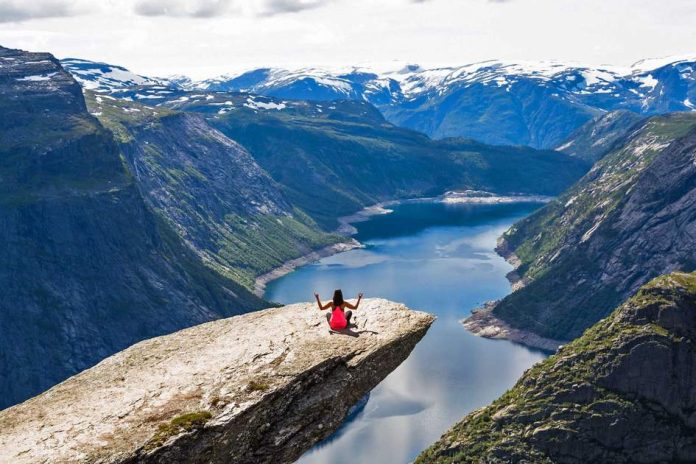
Planning a solo trip sounds exciting at first… until you actually sit down and try to organize everything. Then suddenly there are too many questions like where to go, how much money, what if something goes wrong, and why is everything so confusing 😅
But solo travel planning is actually not that hard once you break it into steps. The problem is most people try to plan everything at once and then get overwhelmed.
This guide is about practical solo travel planning tips and advice, not “perfect Instagram travel planning”. Real-life planning always has some mistakes, last-minute changes, and small chaos.
And that’s okay.
Why Solo Travel Planning is Important
Some people think solo travel means “just go anywhere freely”. That sounds cool, but without basic planning you may end up wasting time, money, or energy.
Good planning helps you:
- Save money
- Avoid confusion
- Stay safe
- Use time better
- Reduce stress during trip
But also, overplanning can ruin flexibility. So balance is important.
Step 1: Choose Your Solo Travel Destination
This is the first and most important step.
How to choose:
Ask yourself:
- Do I want relaxation or adventure?
- Do I prefer city or nature?
- What is my budget?
- How far am I comfortable traveling alone?
Beginner-friendly destinations:
- Nearby cities
- Tourist-friendly places
- Places with good transport
- Safe and popular locations
Small mistake people make: they choose very complicated destinations for first solo trip just to “prove something”. Not needed.
Start simple.
Step 2: Decide Travel Budget Properly
Budget is where most solo trips go wrong.
You should calculate:
- Transport cost
- Accommodation cost
- Food cost
- Local travel
- Activities
- Emergency money
Simple budgeting rule:
Divide money like:
- 40% stay + travel
- 30% food + daily spending
- 20% activities
- 10% emergency
But honestly, sometimes budget goes up randomly because you see something interesting and say “let’s just do it”.
Step 3: Book Transport Early
Transport planning is very important.
Options:
- Trains (cheap and reliable in many countries)
- Flights (fast but expensive sometimes)
- Buses (budget friendly but long journey)
Tips:
- Book early for cheaper prices
- Check cancellation policy
- Keep digital + printed copy
One mistake I did once: I booked cheap flight but airport was 2 hours away from city. So I spent extra on taxi and basically lost savings.
Step 4: Accommodation Planning
Where you stay matters a lot in solo travel.
Types:
- Hotels
- Hostels
- Guesthouses
- Airbnb type stays
Best for solo travelers:
Hostels are actually great because you meet other travelers easily.
Tips:
- Read reviews properly
- Check location on map
- Prefer central areas
- Don’t go too cheap in unsafe areas
Cheap stay is good, but unsafe stay is not worth it.
Step 5: Make Flexible Itinerary
This is where many people make mistake.
They create strict schedule like:
9:00 breakfast
10:00 museum
11:00 beach
12:00 lunch
1:00 another place
Reality: travel never goes like this.
Better approach:
- List places you want to visit
- Keep 2–3 main activities per day
- Leave free time
Flexibility is key in solo travel planning.
Step 6: Pack Smart (Not Heavy)
Packing is a big issue for solo travelers.
Essentials:
- Comfortable clothes
- Power bank
- Basic medicines
- Identity documents
- Toiletries
- Chargers
Avoid:
- Too many clothes
- Unnecessary gadgets
- Heavy shoes you won’t use
Most people carry extra stuff and regret later while carrying bag around.
Step 7: Safety Planning
Solo travel safety should not be ignored.
Basic safety advice:
- Share location with family
- Keep emergency contacts saved
- Avoid risky areas at night
- Trust your instincts
- Stay aware of surroundings
Digital safety:
- Keep phone charged
- Save offline maps
- Don’t share live location with strangers
Safety is not about fear, it’s about being aware.
Step 8: Plan Local Transport in Advance
After reaching destination, confusion starts if you don’t plan transport.
Options:
- Metro
- Buses
- Taxis
- Rental bikes/scooters
Tips:
- Download local transport apps
- Check routes before going out
- Avoid overpriced tourist taxis
One mistake many beginners make: they don’t research local transport and waste first half day just figuring things out.
Step 9: Food Planning
Food is a big part of travel experience.
Tips:
- Try local food
- Keep backup snacks
- Avoid very isolated food places
- Check hygiene if possible
Solo eating tip:
At first, eating alone feels awkward. But after 1–2 meals, you stop caring.
Actually sometimes solo meals feel peaceful.
Step 10: Money Management Tips
Money control is important in solo travel planning.
Tips:
- Carry multiple payment options
- Don’t keep all cash in one place
- Use cards or digital payments when possible
- Track daily spending
Emergency fund:
Always keep extra money separate. Don’t touch it unless needed.
Step 11: Technology Setup
Your phone becomes your travel assistant.
Must-have:
- Maps app
- Translation app
- Booking apps
- Offline notes
- Power backup
Also download offline maps before traveling. It helps a lot when network is bad.
Step 12: Mental Preparation
This part people ignore but it’s important.
What to expect:
- Some loneliness
- Some confusion
- Some small problems
- Some amazing moments
Mindset advice:
- Don’t expect perfection
- Accept small mistakes
- Stay flexible
- Enjoy unknown moments
Solo travel is not smooth all the time. But that’s what makes it memorable.
Common Solo Travel Planning Mistakes
Now let’s talk about mistakes people usually make.
Mistake 1: Overplanning every hour
You cannot control everything.
Mistake 2: Ignoring rest time
Travel fatigue is real.
Mistake 3: Booking everything too late
Prices go high and options reduce.
Mistake 4: Not checking location properly
You may stay far from main attractions.
Mistake 5: Carrying too many expectations
Reality is always different from Instagram.
Solo Travel Planning Checklist
Quick checklist before you go:
- Destination decided
- Budget calculated
- Transport booked
- Stay booked
- Basic itinerary ready
- Safety plan done
- Packing completed
- Emergency contacts saved
If this is done, you are mostly ready.
Tips for First-Time Solo Travelers
If it’s your first solo trip:
- Start small
- Don’t panic if plans change
- Talk to locals if needed
- Stay in tourist-friendly areas
- Keep first trip simple
First trip is always a learning experience more than perfect vacation.
Benefits of Good Solo Travel Planning
If you plan properly:
- Less stress during trip
- Better experience
- More confidence
- More freedom
- Better time management
Planning doesn’t limit travel. It actually improves it.
Final Thoughts
Solo travel planning is not about making everything perfect. It’s about making things smooth enough so you can enjoy freedom without constant stress.
Yes, things will go wrong sometimes — maybe hotel issue, maybe missed bus, maybe wrong turn. But that is part of travel story later.
Good planning just makes sure those problems don’t ruin your whole trip.
So plan smart, stay flexible, and don’t overthink too much.
And after first solo trip, most people realize one thing: “it was easier than I thought”